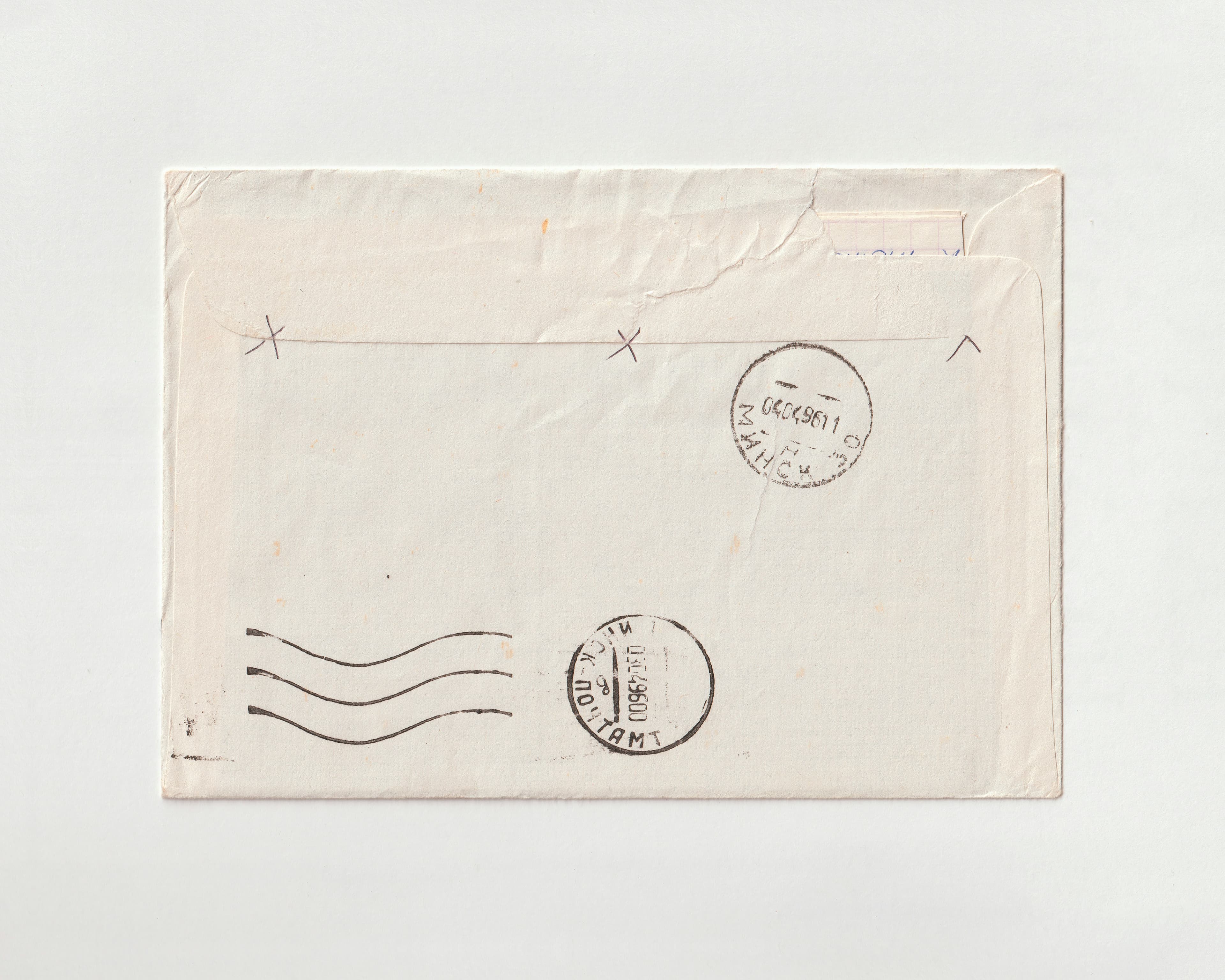
Short Answer: Yes, You Can Mail Without a Return Address
Yes, you can send mail without a return address. In the United States, sending domestic mail via USPS does not require a return address. A return address is not mandatory for standard first-class letters and packages weighing less than 13 ounces shipped via USPS; the letter or package will still be delivered (as long as the delivery address is valid).
Mail is considered private communication and is, therefore, protected under the First Amendment. Anonymous correspondence falls under the same protection; however, there are important caveats you have to know. The most obvious one is that omitting a return address means the item cannot be returned if it is undeliverable.
In general, the following types of mail MUST have a return address, according to USPS guidelines:
Paying postage with precanceled stamps
Priority Mail
Package Services: Bound Printed Matter, Media Mail and Library Mail
Mail with Extra Services: insurance, Certified Mail, COD, Registered Mail, Adult Signature, USPS Tracking, Signature Confirmation and more
Mail with Company permit imprint
Additionally, there are also key federal laws that criminalize anonymous mail (whether email or physical) when it is used to harass, threaten, defraud, or commit crimes.
For mail or packages that require a return address, you can use a PO Box or a generic address on the shipping label.
USPS Rules on Return Addresses
Can you send mail without a return address? Yes, but only for certain types of domestic mail.
USPS rules on return addresses vary depending on the mail class. Here’s a complete list of mail types that require a domestic return address:
Mail of any class bearing a printed ancillary service request or an ancillary service request embedded within an Intelligent Mail barcode.
Official mail.
Mail paid with precanceled stamps (except USPS Marketing Mail pieces weighing 13 ounces or less and bearing a mailer‘s postmark).
Matter bearing a company permit imprint.
Priority Mail.
Periodicals in envelopes or opaque wrappers.
USPS Ground Advantage — Retail and USPS Ground Advantage — Commercial.
Package Services (except unendorsed Bound Printed Matter).
Parcel Select.
Registered Mail.
Insured mail.
Collect on delivery (COD) mail.
Certified Mail if a return receipt is requested.
Priority Mail Express.
Detached addressed labels (DALs) and detached marketing labels (DMLs).
Adult Signature.
USPS Returns service.
All packaging containing hazardous, restricted, or perishable mail in accordance with Publication 52, Hazardous, Restricted, and Perishable Mail.
Here’s what USPS says about return addresses:
A return address tells the USPS where the sender wants the mail returned if it is undeliverable.
A return address is required on certain types of mail. Preferred return address placement is the upper left portion of the mailpiece or the upper left part of the address area—on the side of the piece bearing postage. Mail qualifying for Nonprofit USPS Marketing Mail prices must have the name and return address of the authorized nonprofit organization either on the outside of the mailpiece or in a prominent location on the material being mailed (inside the mailpiece).
For undeliverable mail with no return address, the mail will either be handled by the local Post Office or sent to the Mail Recovery Center (MRC). The MRC is the USPS’ official "lost and found" department for undeliverable and non-returnable mail. After 30 or 60 days, undeliverable mail is either donated, auctioned off, or destroyed.
What Happens If Your Package Can't Be Delivered?
Can you mail a letter without a return address, and what happens if it can’t be delivered? You don’t have to include a return address for regular domestic mail. However, if the mail is considered undeliverable to the addressee and unreturnable to the sender, it typically goes to the USPS “lost and found” department and may be held there for up to 60 days.
According to USPS, mail may be undeliverable for the following reasons:
No postage.
Counterfeit postage
Incomplete, illegible, or incorrect address.
Addressee not at address (unknown, moved, or deceased).
Mail unclaimed.
Mail refused by the addressee at time of delivery.
Mail refused by the addressee after delivery when permitted.
Minimum criteria for mailability not met.
The USPS Mail Recovery Center (MRC) in Georgia handles all undeliverable mail. In general, the MRC accepts letters, flats, and parcels and specifically handles loose-in-mail items valued at $25 or more or with significant personal value. Barcoded items may be held for 60 days and non-barcoded ones, for 30 days.
After the aforementioned holding periods, the MRC may:
Donate the items to charitable or welfare organizations
Trash, recycle, or shred items, particularly food items, metals, cardboard, paper, etc.
Auction off items via a contracted company
You can enjoy First Amendment protection and ensure your privacy by withholding a return address when sending certain types of mail. However, keep in mind that this also includes the risk of losing the package and the postage cost if the package cannot be delivered and the USPS MRC is unable to determine where to return it.
Return Addresses on UPS and FedEx Packages
Can I send mail without a return address via UPS or FedEx? Unfortunately, both UPS and FedEx require a return address when customers create an account for online label generation.
If you want to ship via UPS or FedEx, you will first have to create an account on their website. The carrier will ask for a return address before you can generate a shipping label. The good news is, you can use a third-party shipping platform to purchase UPS or FedEx shipping labels.
A legit platform like USPostage.io offers shipping labels for major carriers, including USPS, UPS, and FedEx. You don’t have to register to use the service, whether you’re an individual who needs just one label or an online seller with regular shipping needs. This non-requirement for an account means senders don’t have to provide any personal information to purchase labels.
Additionally, you can use a PO Box, a generic address, or just a street address as the return address on the shipping label. These options help you maintain your privacy when sending packages. The platform also accepts cryptocurrency as payment for shipping labels, which means all transactions are completely anonymous.
Crypto postage platforms like USPostage are an ideal solution if you want complete anonymity when shipping items. Anonymous shipping is particularly useful when sending surprise gifts or sensitive, personal items, such as prescription medication, adult products, and legal documents.
Alternatives to Skipping the Return Address
If a return address is mandatory or you want to ensure mail/package return if it’s undeliverable, there are alternative options. Here are some ideas for how to send mail without a return address:
PO Boxes. Rent a PO Box and use it as your return address for privacy. Use the USPS PO Box locator tool to choose a location, fill up an application form, and then pay online. You’ll also have to select the right size for your package. Finally, you’ll have to visit the nearest post office to confirm your identity (bring 2 valid photo IDs) and get your keys.
Commercial Mail Receiving Agencies (CMRAs). These are private businesses (e.g., Pak Mail, PostNet, etc.) that offer Private Mail Boxes (PMBs) and accept mail and packages from the USPS on behalf of customers. A PMB is a secure alternative to residential return addresses. You can pick up any returned mail in person or the service can forward it to you.
Business name or “Doing Business As” (DBA) address. You can use a business name instead of your personal name to maintain your privacy while providing clear identification for returns. For merchants, this option also gives you a professional identity which can increase customer trust.
Use any of these options to ensure the return of undeliverable mail or packages while still maintaining privacy.
H2: The Other Way You're Identified: Payment Records
You can mail without a return address via USPS, or use a PO Box or generic address to make sure your personal information is not made available to people you don’t know. But you should also be aware that there are other ways you can be identified through your shipment.
When you pay for postage with a credit/debit card, PayPal, or some other form of traditional payment method, the transaction creates a direct link to your shipment. Your personal data may also be shared with other third parties and/or stored indefinitely for marketing purposes.
Individual senders, home-based sellers, or even small-business owners who want to remain anonymous when shipping packages should consider paying for postage with crypto. For the strongest privacy protection possible, choose a crypto postage platform that doesn’t require an account.
Crypto payments are direct, peer-to-peer transactions that only require crypto wallet addresses. These wallet addresses are encrypted and not linked to the owner’s personal information, ensuring that transactions are anonymous.